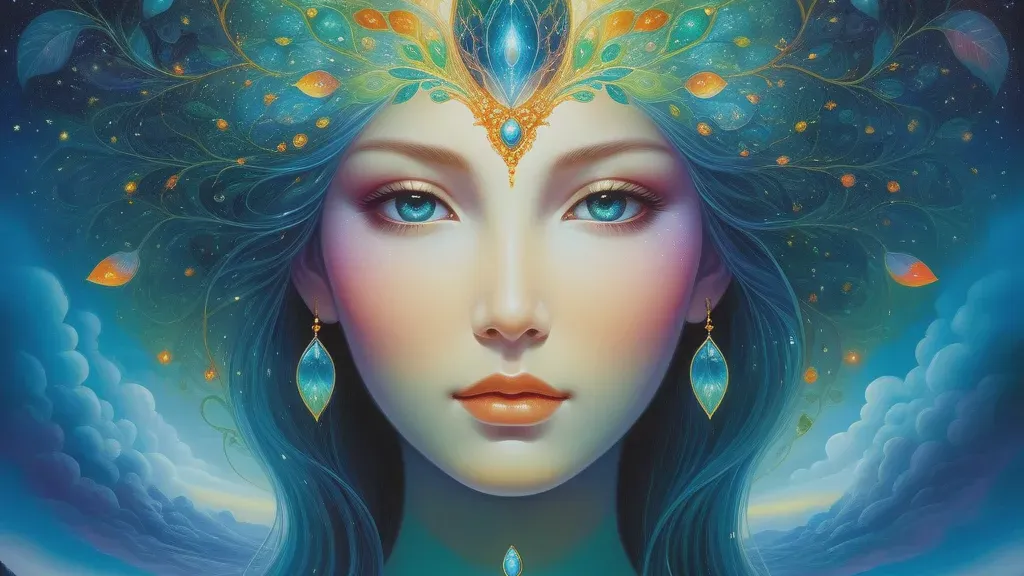
Face
Jungian Archetypes
Meaning
The face in dreams represents identity, self-image, and how you present yourself to the world. It symbolizes your persona—the mask you wear in social situations. The face also reflects your inner emotional state and your sense of self-worth, as well as your ability to recognize and connect with others.
Psychological Interpretation
From a Jungian perspective, the face represents the Persona archetype and the Anima/Animus. It reflects how you balance your public self with your authentic inner nature. A clear, radiant face suggests self-acceptance and confidence, while a distorted or hidden face may indicate identity confusion or shame about your true self.
Traditional Symbol Meaning
The dream symbol of the "face" carries rich cultural and historical significance across various traditions. In many cultures, the face is seen as a representation of identity, self-perception, and social interaction. For instance, in Western traditions, dreaming of a face may symbolize one's self-image or how one is perceived by others. A clear, smiling face might suggest confidence and acceptance, while a distorted or obscured face could indicate feelings of insecurity or the fear of being judged. The face serves as a mask, revealing or concealing emotions, and in dreams, it often reflects the dreamer’s inner thoughts about their social standing and personal relationships. In Eastern cultures, particularly within Buddhist and Taoist traditions, the face can symbolize the essence of the self and the connection to one's spiritual journey. Dreaming of a serene face may indicate inner peace and harmony, while a troubled or angry face could suggest inner conflict or unresolved issues. Indigenous traditions often view the face as a gateway to the soul, where the expressions and features can tell stories of ancestral wisdom and personal experiences. For example, in many Native American cultures, the face might represent the spiritual state of the dreamer, guiding them toward self-discovery and healing. Historically, dream interpretation has evolved, with various scholars and cultures attributing different meanings to the face in dreams. In ancient Egypt, for instance, the face was associated with the concept of "ma'at," or truth and balance. A dream featuring a familiar face could signify an important message or lesson from the deceased, while an unfamiliar face might represent new beginnings or unresolved aspects of the self. Throughout history, the face has also been linked to the concept of duality, where the visible face contrasts with the hidden self, prompting dreamers to explore their authentic identities. Traditional wisdom suggests that dreaming of a face can encourage self-reflection and introspection. It may urge individuals to confront their emotions and consider how they present themselves to the world. The variations in meaning across cultures highlight the multifaceted nature of the face as a dream symbol. Whether it evokes feelings of confidence, fear, or spiritual insight, the face remains a powerful emblem in the dream realm, inviting dreamers to explore the depths of their psyche and the complexities of their relationships with others.
Contemporary Psychological
In contemporary psychology, the symbol of a "face" in dreams can be understood through various lenses, particularly in relation to emotional processing and memory consolidation. Faces are powerful stimuli in our waking lives, serving as key indicators of social cues and emotional states. When a face appears in a dream, it often signifies the dreamer's current emotional landscape or unresolved feelings. This is because the brain is constantly processing emotional experiences, and dreams serve as a form of emotional regulation, allowing individuals to confront and integrate their feelings in a safe space. A face in a dream may represent a specific person, an archetype, or even the dreamer’s own self-image, reflecting the myriad of emotions tied to those relationships or self-perceptions. The deeper psychological significance of a face in dreams often revolves around identity and connection. Faces are not only unique identifiers but also convey a wealth of information about trust, fear, and affection. When a dreamer encounters a familiar face, it may evoke feelings of nostalgia or unresolved issues related to that person. Conversely, an unfamiliar face might represent aspects of the self that the dreamer has yet to acknowledge or integrate. This duality highlights common themes in dream interpretation, where faces symbolize the interplay between the known and the unknown facets of the self, prompting the dreamer to explore their inner world and relationships more deeply. Dreaming about a face can also indicate the dreamer's current life situation, particularly regarding social interactions or emotional conflicts. For instance, if the face appears distorted or threatening, it may symbolize anxiety about social acceptance or fear of judgment. On the other hand, a serene or smiling face might represent feelings of comfort, acceptance, or a desire for connection. These manifestations can be interpreted as reflections of the dreamer's emotional state, hinting at underlying issues that require attention. The brain's threat simulation theory suggests that such dreams may help individuals rehearse social scenarios, preparing them for real-life interactions and potential challenges. From a practical standpoint, recognizing the significance of faces in dreams can offer valuable insights for personal growth. Dreamers can benefit from reflecting on the emotions and associations tied to the faces they encounter, considering how these might relate to their waking life. Journaling about these dreams can facilitate deeper emotional processing and self-discovery. Furthermore, understanding the role of faces in dreams can empower individuals to address unresolved feelings or conflicts, ultimately fostering healthier relationships and a more cohesive self-identity. By engaging with these dream symbols, individuals can navigate their emotional landscapes with greater awareness and intention.
Gestalt / Parts of Self
In Gestalt Psychology, the dream symbol of a "face" serves as a powerful representation of the self and the various aspects of one's identity. Faces in dreams often symbolize the different roles we play in our waking lives, reflecting our social personas, emotions, and inner thoughts. Each face encountered in a dream can be seen as a fragment of the dreamer’s psyche, representing parts of themselves that they may be exploring, accepting, or even rejecting. This projection of self can reveal how the dreamer perceives themselves and how they wish to be perceived by others, highlighting the complexities of their identity and the masks they may wear in different situations. The deeper psychological significance of a face in dreams often revolves around themes of recognition and acceptance. When a dreamer sees their own face, it may indicate a desire for self-acceptance or a confrontation with their true self. Conversely, seeing unfamiliar faces can suggest the integration of new aspects of the self or the need to confront parts of one's personality that have been neglected or suppressed. This exploration can lead to a greater understanding of one’s emotional landscape and the dynamics of interpersonal relationships, as the dreamer navigates the boundaries between their authentic self and the personas they present to the world. Dreaming about faces may also reflect the dreamer's current life situation and emotional state. For instance, if a dreamer encounters a distorted or unfamiliar face, it could signify feelings of insecurity, anxiety, or a struggle with self-identity. Alternatively, a dream featuring a familiar, comforting face might indicate support, love, or a connection to one's past. Such dreams can serve as a mirror, allowing the dreamer to examine their feelings about relationships, self-worth, and personal growth. By paying attention to the emotions and reactions elicited by these faces, dreamers can gain valuable insights into their inner conflicts and desires. To derive practical psychological insights from dreams featuring faces, individuals can engage in self-reflection and journaling. They might ask themselves questions such as, "What emotions did I feel when I saw this face?" or "What does this face represent in my life?" This process of integration and ownership can help uncover hidden aspects of the self and promote healing. By recognizing and embracing all parts of oneself, including those represented by the faces in dreams, individuals can foster a more authentic and fulfilling existence, leading to greater self-awareness and emotional resilience.
Jungian / Archetypal
In Jungian psychology, the symbol of a "face" in dreams often represents the persona, which is the social mask individuals wear in public. This face can reflect how we wish to be perceived by others, embodying the roles we play in our daily lives. When a dreamer encounters a face in their dream, it may suggest a confrontation with their own persona or an exploration of how they present themselves to the world. The face can also signify the need for authenticity; if the face appears distorted or unfamiliar, it may indicate that the dreamer is grappling with feelings of inauthenticity or disconnection from their true self. Delving deeper, the face can be associated with various archetypes, such as the Wise Old Man or the Anima/Animus, which represent aspects of the collective unconscious. For instance, a dream featuring a wise or benevolent face might suggest the dreamer is tapping into their inner wisdom or guidance, while a menacing or shadowy face could symbolize repressed fears or unacknowledged aspects of the self. This duality highlights the importance of the shadow—those parts of ourselves we often hide or deny. Encountering such faces in dreams may prompt the dreamer to confront these shadow elements, facilitating a process of individuation, where one integrates these disparate parts into a cohesive self. Moreover, the context in which the face appears can provide significant insight into the dreamer's current life situation. A familiar face might evoke feelings of comfort and connection, indicating supportive relationships or a sense of belonging. Conversely, an unfamiliar or unsettling face could point to anxieties about social interactions or unresolved issues in personal relationships. This contrast can reveal underlying concerns about identity, acceptance, and the dreamer's emotional state. From a practical standpoint, reflecting on the face encountered in a dream can serve as a powerful tool for self-exploration. Dreamers are encouraged to consider how the face resonates with their waking life, what emotions it evokes, and how it relates to their sense of self. By engaging with this symbol, individuals can gain clarity about their personal narratives, confront their fears, and ultimately move toward a more integrated and authentic existence. This process not only enriches the understanding of one's dreams but also fosters personal growth and psychological well-being.
Psychodynamic / Freudian
In the realm of psychodynamic psychology, the symbol of a "face" in dreams can hold significant meaning, often representing the conscious self and the persona that we present to the world. From the perspective of manifest versus latent content, the face seen in a dream may appear as a straightforward image—perhaps someone familiar or an unknown figure. However, the latent content reveals deeper layers of meaning, suggesting that the face may symbolize aspects of the dreamer's identity, social interactions, or unresolved conflicts. It can also reflect the dreamer's feelings about how they are perceived by others, indicating a desire for acceptance or fear of judgment. Dreaming of a face can also be linked to wish fulfillment, a central theme in psychodynamic theory. The face may represent a longing for connection, intimacy, or recognition. If the face in the dream is one of a loved one, it could signify a yearning for emotional closeness or unresolved feelings regarding that relationship. Conversely, if the face is distorted or unfamiliar, it may indicate an internal struggle with self-image or anxiety about how one is viewed by society. This duality highlights the complexity of the dreamer's inner world, where the face serves as a canvas for exploring both desires and fears. Additionally, the presence of a face in a dream can signal the use of defense mechanisms. For instance, if the dream features a mask or a hidden face, it might suggest that the dreamer is employing denial or repression to shield themselves from uncomfortable emotions or truths. This could indicate a struggle with authenticity or a fear of vulnerability. Understanding these dynamics can provide valuable insights into the dreamer's current life situation, revealing areas where they may feel pressured to conform or hide their true selves. To gain practical psychological insights from this interpretation, dreamers are encouraged to reflect on their feelings toward the faces they encounter in their dreams. Are they familiar or strange? Are they comforting or unsettling? Such reflections can illuminate underlying concerns about identity, social acceptance, and emotional expression. By examining these themes, individuals can better understand their motivations and fears, ultimately fostering personal growth and a deeper connection to their authentic selves.
Cultural & Historical Origins
In many cultures, the face holds profound spiritual significance. In Japanese Noh theater, masks represent different aspects of the human psyche. In African traditions, face masks are used in rituals to embody spiritual forces. In Christian art, the face of Christ represents divine truth and redemption, emphasizing the face as a window to the soul.
Contextual Variations
Seeing your own face clearly
Self-awareness, acceptance of your identity, and clarity about who you are
A face that is distorted or unrecognizable
Identity confusion, shame, or difficulty accepting aspects of yourself
Frequently Asked Questions
What does it mean if I see a stranger's face in my dream?
Why do I dream about my face changing?
Journaling Prompts
- What did my face look like in the dream? How did I feel about my appearance?
- Whose face did I see, and what emotions did it evoke? What might this face represent about myself?
Related Symbols
Dreamed about Face?
Get a personalized AI interpretation that connects this symbol to your specific life circumstances.
Interpret My Dream