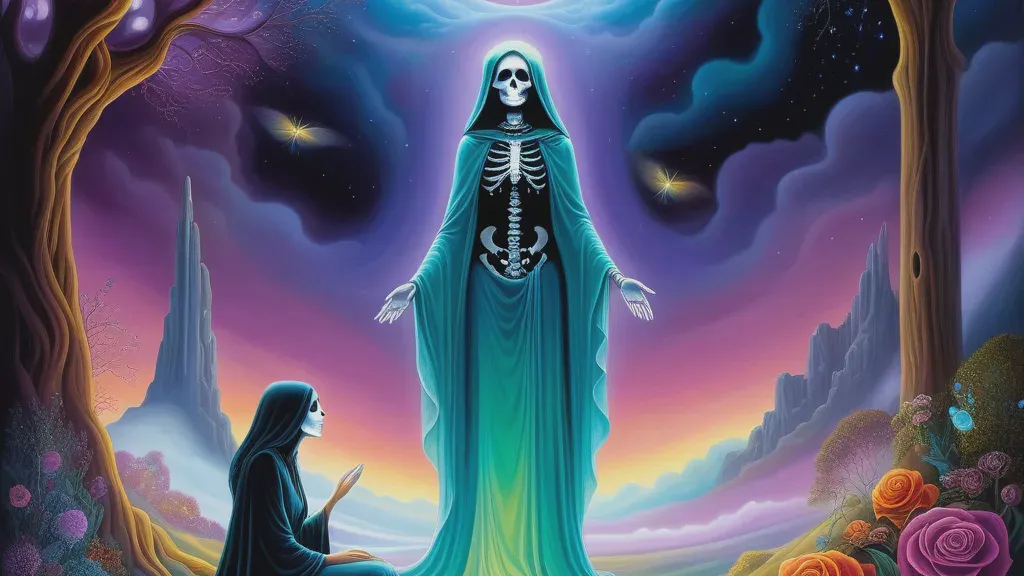
Death Of Loved One
Jungian Archetypes
Meaning
Dreaming of a loved one's death often indicates unresolved grief or fear of loss. Psychologically, it serves as a mechanism for processing emotions and confronting the reality of mortality.
Psychological Interpretation
Jungian theory views it as a confrontation with the shadow and the Self's journey toward acceptance. Cognitive psychology sees it as a reflection of anxiety about interpersonal relationships, while practical psychology emphasizes emotional healing.
Traditional Symbol Meaning
Dreaming of the death of a loved one is a powerful symbol that has been interpreted in various ways across cultures and throughout history. In many Western traditions, such dreams are often associated with feelings of loss, fear, or anxiety about change. They may signify the end of a particular phase in life or the need to let go of certain emotional attachments. This interpretation is rooted in the psychological perspective that dreams serve as a reflection of our waking fears and unresolved issues. For instance, Sigmund Freud suggested that dreams of death could symbolize the end of one’s own desires or aspects of the self, rather than a literal death. In contrast, Eastern traditions often view dreams of death as a transition rather than an ending. In Chinese culture, for example, dreaming of death can signify rebirth or renewal, embodying the cyclical nature of life. This perspective aligns with the philosophical tenets of Taoism and Buddhism, where death is seen as a natural part of existence rather than something to be feared. Similarly, in some indigenous cultures, dreams of death are seen as a message from the spirit world, indicating that the dreamer may need to engage in reflection or personal growth. This connection to the spiritual realm underscores the belief that death in dreams can signify transformation and the need to embrace new beginnings. Historically, interpretations of dreams involving the death of a loved one have varied significantly. In ancient Egypt, dreams were considered prophetic, and the death of a loved one in a dream could be interpreted as a warning or a sign to prepare for significant life changes. Meanwhile, in ancient Greece, philosophers like Aristotle believed that dreams could offer insights into the future, suggesting that such dreams might indicate a need for the dreamer to confront their own mortality or the impermanence of relationships. These varying interpretations highlight the multifaceted nature of dreams and the cultural significance attributed to them. Traditional wisdom often emphasizes the importance of context when interpreting dreams of death. While it may evoke fear or sadness, it can also encourage introspection and provide an opportunity for healing. Many cultures suggest that these dreams can serve as a catalyst for personal growth, prompting the dreamer to reassess their relationships and emotional well-being. Ultimately, the meaning of dreaming about the death of a loved one is deeply personal and can vary widely depending on the individual's experiences, beliefs, and cultural background. Understanding these diverse interpretations can help individuals navigate their emotions and gain insights from their dreams.
Contemporary Psychological
Dreaming about the death of a loved one can evoke intense emotions and provoke deep reflection. From a contemporary psychological perspective, particularly through the lenses of neuroscience and emotional processing, such dreams often symbolize significant changes or transitions in the dreamer's life. They may not necessarily predict actual loss but rather represent the end of a particular phase or the need to let go of certain aspects of one's relationship with that person. This type of dream can serve as a mechanism for emotional processing, allowing the dreamer to confront feelings of grief, anxiety, or unresolved issues related to their loved one. Neuroscience suggests that dreams play a crucial role in memory consolidation and emotional regulation. When we dream about the death of someone close to us, it may indicate that our brain is working through complex emotions associated with that person. This could involve processing past experiences, reconciling feelings of attachment, or navigating the fear of loss. The dream may reflect the dreamer's subconscious attempts to integrate these emotions into their waking life, highlighting the importance of emotional processing in maintaining mental health. Additionally, such dreams might serve a threat simulation function, where the brain rehearses potential future losses, helping the individual prepare psychologically for real-life challenges. The deeper psychological significance of dreaming about a loved one's death often points to themes of change, fear, and existential reflection. It may reveal the dreamer's anxieties about their relationships, their own mortality, or the inevitability of change in life. This dream symbol can also highlight feelings of helplessness or a desire for control over circumstances that feel uncertain or threatening. When a dreamer experiences such a dream, it may signal a need to reassess their emotional connections or to address unresolved conflicts that linger in their relationships. For those who encounter this dream symbol, it can be beneficial to engage in reflective practices, such as journaling or discussing the dream with a trusted friend or therapist. Understanding the emotions tied to the dream can provide valuable insights into the dreamer's inner world and current life situation. By acknowledging and processing these feelings, individuals can foster emotional resilience and navigate their relationships with greater awareness and intention. Ultimately, dreams about the death of a loved one can serve as powerful catalysts for personal growth, encouraging the dreamer to embrace change and foster deeper connections in their waking life.
Gestalt / Parts of Self
In Gestalt Psychology, dreams are seen as a reflection of the self, where each element within the dream represents different aspects of the dreamer’s psyche. The symbol of the "Death of a Loved One" can be particularly potent, often representing more than just the literal loss of a person. Instead, it may signify the end of a particular phase or aspect of the dreamer’s life, such as a relationship dynamic or a personal identity tied to that loved one. This dream may invite the dreamer to explore feelings of grief, change, and transformation, as well as their own mortality and the impermanence of life. From a deeper psychological perspective, dreaming about the death of a loved one can evoke themes of abandonment, fear of loss, or unresolved issues within relationships. It may indicate that the dreamer is grappling with feelings of insecurity or anxiety about their connections with others. In Gestalt terms, this dream could represent a projection of the dreamer’s own fears and emotional states, suggesting that they may need to confront their feelings about attachment and separation. The death of a loved one in a dream could also symbolize the dreamer's desire to let go of certain emotional dependencies or patterns that no longer serve them, urging them to integrate these experiences into their personal growth. When interpreting this dream symbol, it is essential to consider the dreamer's current life situation and emotional landscape. Are they undergoing significant changes, such as a breakup, relocation, or career transition? The death of a loved one in dreams can serve as a metaphor for these transitions, prompting the dreamer to reflect on what they are leaving behind and how they can embrace new beginnings. This dream may also indicate a need for the dreamer to take ownership of their feelings and experiences, acknowledging the impact of loss and change on their identity and emotional well-being. Practical psychological insights from this interpretation suggest that dreamers should take the time to explore their emotions surrounding loss and change. Keeping a dream journal can be beneficial, allowing them to reflect on their feelings and the aspects of themselves represented by the loved one in their dream. Engaging in self-reflection and open communication with others about their feelings can help facilitate the integration of these experiences, leading to greater self-awareness and emotional resilience. Ultimately, the "Death of a Loved One" in dreams can be a powerful catalyst for personal growth, encouraging dreamers to confront their fears, embrace change, and foster a deeper understanding of themselves.
Jungian / Archetypal
In Jungian and Analytical Psychology, dreaming of the death of a loved one often symbolizes a profound transformation or transition within the dreamer’s psyche. This dream does not necessarily predict an actual death; rather, it serves as a representation of the end of a particular phase in the dreamer’s life or a significant change in their relationship with the person who has died in the dream. Jung believed that such dreams tap into the collective unconscious, where archetypes and universal symbols reside. The loved one may embody certain qualities or aspects of the dreamer's own self, and their death signifies the need to confront and integrate these elements, which can be associated with the process of individuation. The psychological significance of this symbol often revolves around themes of loss, grief, and transformation. The death of a loved one in a dream can highlight the dreamer’s fears about losing connections or the inevitability of change. It may also point to the dreamer's struggle with their shadow—the parts of themselves that they have repressed or denied. In this context, the loved one may represent an aspect of the dreamer’s identity or emotional life that is being relinquished. The dream can serve as an invitation to explore these darker aspects, facilitating a deeper understanding of oneself and promoting personal growth. Moreover, dreaming of a loved one’s death may indicate that the dreamer is undergoing significant emotional or psychological challenges in their waking life. It may reflect feelings of helplessness, anxiety, or the need to let go of past attachments that no longer serve them. This dream could be a catalyst for introspection, urging the dreamer to assess their relationships and emotional health. By processing these feelings, the dreamer can work towards healing and developing a more authentic self, aligning with Jung’s concept of individuation, where one strives to integrate various aspects of the psyche. To derive practical insights from such dreams, it is essential for the dreamer to engage in self-reflection and journaling. Exploring the emotions and thoughts associated with the dream can provide clarity regarding their current life situation. The dreamer might consider what qualities the deceased loved one represents and how these traits relate to their own life. By acknowledging and embracing the changes symbolized by the dream, the dreamer can foster personal growth and move towards a more integrated and fulfilling existence. Ultimately, dreams of this nature can serve as powerful tools for understanding the self and navigating the complexities of human relationships.
Psychodynamic / Freudian
In the realm of psychodynamic psychology, dreams are seen as a window into the unconscious mind, revealing both manifest and latent content. The symbol of the "death of a loved one" often represents more than the literal loss of a person; it can embody profound emotional transformations, unresolved conflicts, or significant changes in the dreamer's life. On the surface, the manifest content of such a dream may evoke fear or sadness related to the idea of losing someone dear. However, the latent content can reveal deeper psychological themes, such as the dreamer's struggles with attachment, fear of abandonment, or the desire for independence. Dreaming about the death of a loved one can also be interpreted through the lens of wish fulfillment, a concept central to Freudian theory. In this context, the dream may represent a subconscious desire to break free from emotional ties or to confront feelings of guilt or resentment toward that individual. The death symbolically allows the dreamer to explore these complex emotions without the constraints of reality, providing a safe space for processing difficult feelings. It may indicate a longing for change or a need to let go of certain aspects of the relationship that no longer serve the dreamer's well-being. Moreover, this dream symbol often highlights the use of defense mechanisms, such as repression or denial. The dreamer might be grappling with feelings of loss or change that they are not fully acknowledging in their waking life. By manifesting as a death in the dream, the unconscious mind may be urging the dreamer to confront these emotions directly, rather than avoiding them. This confrontation can lead to greater self-awareness and emotional healing, as it encourages the individual to process grief, fear, or unresolved issues related to their loved one. For those who encounter this symbol in their dreams, it can serve as a powerful reminder to examine their inner world and current life situations. It may be beneficial to reflect on the relationships that hold significant emotional weight and to consider whether there are unresolved feelings that need to be addressed. Engaging in dream journaling or discussing these dreams with a therapist can facilitate deeper exploration and understanding, ultimately leading to personal growth and emotional resilience.
Cultural & Historical Origins
In various Western cultures, such dreams are linked to the belief that dreaming of death symbolizes change. In ancient Egyptian beliefs, dreams of death were seen as messages from the afterlife, reflecting the soul's journey.
Contextual Variations
You watch a loved one get taken away in a sudden accident, but in the dream you keep trying to rewind time. Each attempt fails, and you wake with grief that feels real.
This often reflects fear of separation and the mind’s inability to control outcomes. Psychologically, the repeated rewind suggests you’re stuck in bargaining—trying to undo what can’t be undone—so the dream may be asking for acceptance and emotional processing.
Your loved one doesn’t die visibly; instead, they become silent and distant, like their presence is fading. You keep calling their name, but your voice turns muffled, and the room grows colder.
When death is symbolic rather than literal, it can represent emotional withdrawal, change in closeness, or fear that connection is weakening. The muffled voice points to difficulty expressing needs or confronting a hard conversation.
After the death, you find a small object of theirs on your doorstep, like a message. The object feels comforting, and you realize you’ve been holding back gratitude.
The post-death token suggests the Great Mother and trickster blend: grief becomes a prompt for meaning and connection. Psychologically, it can indicate your psyche is nudging you to honor love actively—through gratitude, repair, or honest expression.
Frequently Asked Questions
Does dreaming of a loved one’s death mean it will happen?
Why do I wake up feeling guilty after this kind of dream?
What if the death in the dream is unclear or symbolic?
Journaling Prompts
- What specific moment in the dream felt most unbearable—before the death, during it, or after—and what does that reveal about your core fear?
- Who was the loved one in the dream (their role to you), and what need for closeness or reassurance might be active right now?
- After the dream, what action could express care or repair within the next 24 hours?
Related Symbols
Dreamed about Death Of Loved One?
Get a personalized AI interpretation that connects this symbol to your specific life circumstances.
Interpret My Dream