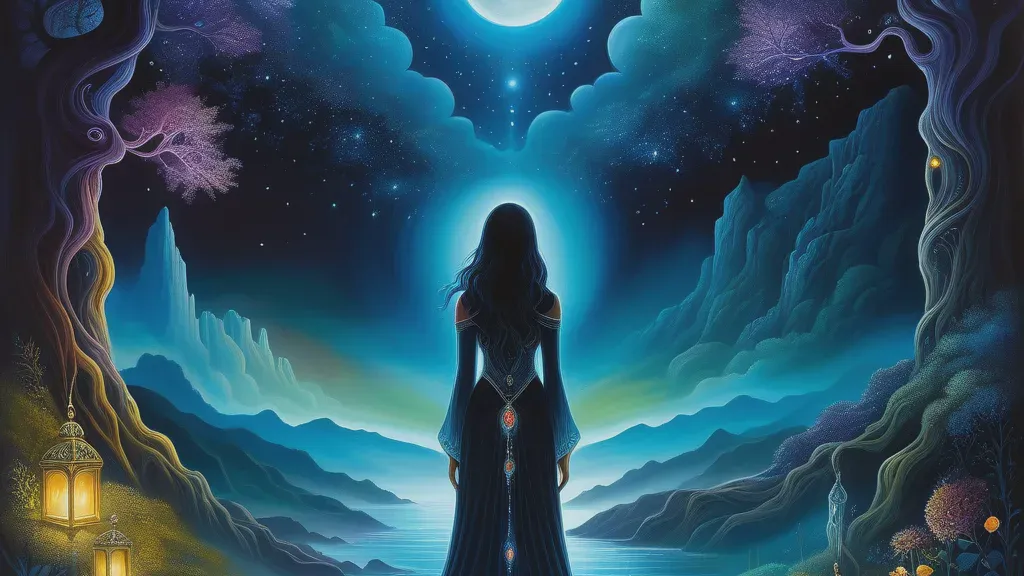
Dark Night Of Soul
Jungian Archetypes
Meaning
The dark night of the soul represents profound inner turmoil or existential crisis. Psychologically, it signifies a necessary confrontation with despair, leading to personal transformation and a deeper understanding of self.
Psychological Interpretation
Jungian theory interprets it as a critical phase for individuation. Cognitive psychology sees it as a cognitive restructuring process, while practical psychology emphasizes resilience and growth through adversity, highlighting the potential for renewal.
Traditional Symbol Meaning
The "Dark Night of the Soul" is a profound dream symbol that has been interpreted across various cultures and historical contexts, often representing a period of deep introspection, existential crisis, or spiritual transformation. Originating from the writings of the 16th-century Spanish mystic St. John of the Cross, the term describes a phase in which an individual experiences a sense of abandonment or spiritual desolation before emerging into a greater understanding or enlightenment. In this context, dreaming of a dark night symbolizes the soul's journey through confusion and despair, ultimately leading to personal growth and renewal. In Western traditions, particularly within Christian mysticism, the dark night is often associated with the trials one must endure to achieve spiritual awakening. This interpretation emphasizes the necessity of confronting inner darkness to reach a higher state of consciousness. Conversely, in Eastern philosophies, such as Buddhism, the dark night can signify the ego's dissolution and the acceptance of suffering as a pathway to enlightenment. In both traditions, the dream serves as a reminder of the cyclical nature of life, where periods of darkness are essential for the emergence of light and clarity. Indigenous cultures also hold unique perspectives on this symbol. For many Native American tribes, the dark night can represent a rite of passage, where individuals must face their fears and uncertainties in dreams to gain wisdom and guidance from their ancestors. This connection to the spiritual realm highlights the communal aspect of dreams, where personal struggles are often seen as part of a larger narrative shared by the community. The dark night, therefore, becomes a transformative experience that not only impacts the dreamer but also resonates within the collective consciousness of the tribe. Traditional wisdom suggests that dreaming of a dark night serves as an invitation to embrace one's vulnerabilities and seek deeper truths. It encourages the dreamer to reflect on their life's challenges, understand their emotional landscape, and recognize the potential for growth that lies within adversity. Across cultures, while the specifics of interpretation may vary, the overarching theme remains consistent: the dark night is a necessary phase in the journey toward self-discovery and spiritual enlightenment, urging individuals to navigate their inner turmoil with courage and resilience.
Contemporary Psychological
The "Dark Night of the Soul" in dreams often symbolizes a profound period of emotional turmoil and existential questioning. From a contemporary psychology perspective, particularly through the lenses of neuroscience and emotional processing, this symbol can represent the brain's way of processing intense feelings of despair, confusion, or isolation. During such dreams, the mind may be engaged in a form of threat simulation, wherein it confronts fears and anxieties that the individual may be avoiding in their waking life. This process allows for the exploration of deep-seated emotions and unresolved conflicts, ultimately aiding in emotional regulation and resilience. Common themes associated with the "Dark Night of the Soul" include feelings of loss, disconnection, and the search for meaning. These dreams often arise during significant life transitions or periods of stress, where the dreamer may feel overwhelmed by circumstances beyond their control. Neuroscientifically, these experiences can trigger the activation of the amygdala, the brain region responsible for emotional responses, which may lead to heightened states of anxiety and introspection during sleep. The dream serves as a safe space for the brain to navigate these complex emotions, facilitating memory consolidation and the integration of experiences that may be too challenging to address while awake. Dreaming about a "Dark Night of the Soul" can indicate that the dreamer is grappling with unresolved issues or feelings of inadequacy that require attention. It may signal a need for self-reflection and a deeper understanding of one’s emotional landscape. This dream symbol can also highlight the importance of acknowledging and processing negative emotions rather than suppressing them. By facing these inner demons, the dreamer can embark on a journey toward healing and personal growth, ultimately leading to a more authentic and fulfilling life. For those experiencing this symbol in their dreams, practical psychological insights include the importance of fostering emotional awareness and resilience. Engaging in practices such as journaling, mindfulness, or therapy can be beneficial in unpacking the emotions tied to these dreams. Additionally, understanding that the "Dark Night of the Soul" is a natural part of the human experience can help individuals reframe their struggles as opportunities for growth and transformation. Embracing this process can lead to greater self-acceptance and a more profound connection with one’s true self.
Gestalt / Parts of Self
In the realm of Gestalt Psychology, the "Dark Night of the Soul" symbolizes a profound inner struggle and a confrontation with the self that often surfaces in dreams. This symbol reflects the parts of the self that the dreamer may be neglecting or rejecting, often representing feelings of despair, confusion, or existential questioning. In this context, the dark night serves as an invitation to explore the shadow aspects of one’s personality—those hidden emotions or thoughts that have been pushed aside. By bringing these elements into consciousness, the dreamer can begin to integrate them into their overall sense of self, leading to personal growth and healing. The psychological significance of this symbol often revolves around themes of transformation and renewal. Experiencing a dark night in a dream can indicate that the dreamer is at a pivotal point in their life, grappling with difficult emotions or circumstances that demand attention. This period of darkness may signify a necessary phase of introspection, where the dreamer is encouraged to confront their fears, insecurities, or unresolved conflicts. In Gestalt terms, this process is about ownership—acknowledging and accepting all parts of oneself, even those that are uncomfortable or painful. By doing so, the dreamer can move toward a more authentic and integrated self. Dreaming of a dark night may also reflect the dreamer’s current life situation, suggesting feelings of isolation or uncertainty. It can indicate that the individual is navigating a challenging period, possibly related to relationships, career, or personal identity. This symbol often emerges during times of transition, where the dreamer may feel lost or disconnected from their sense of purpose. Recognizing this dream as a reflection of their inner world can empower the individual to seek clarity and direction, using the insights gained from their dreams to inform their waking life choices. To derive practical psychological insights from this interpretation, dreamers can engage in reflective practices such as journaling or meditation. By examining the emotions and situations that arise during their dark night dreams, individuals can begin to identify the parts of themselves that need attention and care. This process of integration allows for a deeper understanding of one's feelings and motivations, ultimately leading to a more cohesive self-concept. Embracing the dark night as a transformative experience can foster resilience and encourage a journey toward self-discovery and healing, reminding dreamers that even in darkness, there is the potential for light and renewal.
Jungian / Archetypal
In the realm of Jungian and Analytical Psychology, the "Dark Night of the Soul" symbolizes a profound psychological transformation often marked by a deep sense of despair, confusion, or existential crisis. This archetypal experience is not merely a phase of suffering; rather, it serves as a crucial component of individuation, the process of integrating different aspects of the self, including the shadow. In dreams, encountering a "Dark Night of the Soul" may indicate that the dreamer is grappling with unresolved inner conflicts, repressed emotions, or the darker facets of their personality that need acknowledgment and integration. The deeper psychological significance of this symbol lies in its association with the shadow—the unconscious part of the psyche that contains repressed weaknesses, desires, and instincts. When the dreamer experiences this dark phase, it often signifies a confrontation with these hidden aspects, prompting a necessary journey into the self. Common themes associated with this symbol include feelings of isolation, a search for meaning, and the need for spiritual or psychological rebirth. The dreamer may feel lost or overwhelmed, yet these feelings can catalyze a transformative process, leading to greater self-awareness and authenticity. Dreaming of a "Dark Night of the Soul" can also reflect the dreamer’s current life situation, suggesting they are at a crossroads or facing significant challenges that require introspection and courage. This symbol often emerges during times of transition, urging the individual to face their fears and doubts head-on. It may indicate that the dreamer is ready to shed old identities or beliefs that no longer serve them, paving the way for new growth and understanding. Such dreams can serve as a powerful reminder that the path to enlightenment often requires traversing through darkness, highlighting the importance of embracing the full spectrum of human experience. From a practical psychological perspective, encountering this symbol in dreams encourages individuals to engage in self-reflection and explore their inner landscape. It may be beneficial for the dreamer to keep a journal, engage in creative expression, or seek therapy as a means of processing their feelings and experiences. Recognizing the "Dark Night of the Soul" as a necessary step in the journey of individuation can empower the dreamer to embrace their challenges, fostering resilience and deeper connections with themselves and others. Ultimately, this symbol serves as an invitation to embark on a transformative journey, leading to personal growth and a more integrated self.
Psychodynamic / Freudian
The "Dark Night of the Soul" in dreams serves as a profound symbol representing a period of emotional turmoil, existential questioning, and deep introspection. From a psychodynamic perspective, this symbol often reflects the manifest content of the dream, which may include feelings of despair, loneliness, or confusion. However, the latent content—what these feelings signify at a deeper level—may reveal underlying conflicts, unresolved traumas, or a yearning for transformation. This dream symbol suggests that the dreamer is grappling with significant inner struggles, possibly related to identity, purpose, or the search for meaning in their life. Additionally, the "Dark Night of the Soul" can indicate a process of wish fulfillment, where the dreamer subconsciously desires to confront their fears or challenges. This confrontation may be uncomfortable, yet it is essential for personal growth. The darkness symbolizes the repressed emotions and thoughts that the dreamer may have avoided in their waking life. By bringing these aspects to the surface, the dreamer is encouraged to engage with their inner psyche, allowing for healing and self-discovery. This process can often feel isolating, but it is crucial for moving toward a more authentic self. Dreaming of this symbol may also point to the presence of defense mechanisms at play in the dreamer's life. For example, the dreamer might be employing denial or repression to avoid facing painful truths. The "Dark Night of the Soul" could be a wake-up call, urging the dreamer to acknowledge their struggles rather than suppress them. This acknowledgment can lead to a more profound understanding of their emotional state and facilitate the integration of these hidden aspects into their conscious self. In practical terms, individuals experiencing this dream symbol can benefit from engaging in reflective practices such as journaling or therapy. These activities can help them explore the fears and emotions that arise during this dark period. By examining the themes present in the dream, the dreamer can gain insights into their current life situation and the changes they may need to embrace. Ultimately, the "Dark Night of the Soul" can be seen as a transformative journey, guiding the dreamer toward personal growth and a deeper connection with their true self.
Cultural & Historical Origins
St. John of the Cross's writings explore this theme as a spiritual journey. Similarly, in Buddhist traditions, the concept of 'dukkha' emphasizes suffering as a pathway to enlightenment, underscoring the transformative potential of despair.
Contextual Variations
You walk through a silent landscape at night, and every time you try to find meaning, the path erases itself behind you.
This symbolizes existential depletion—your mind searching for purpose while old frameworks fail. Psychologically, it indicates a necessary surrender of certainty so deeper values can reorganize.
In a dream of a hospital room, you’re not sick, but the lights never turn on, and nurses speak in riddles that you can’t decode.
The lack of light represents emotional numbness or confusion during a period of inner restructuring. Riddles suggest you’re being asked to trust processes that can’t be easily explained yet.
You reach a doorway with no handle, and when you press your forehead against it, you feel a wave of grief followed by quiet acceptance.
No handle implies you can’t force resolution through effort alone. The grief-to-acceptance shift often reflects the psyche metabolizing loss and making space for a new way of being.
Frequently Asked Questions
Does a dark night of the soul dream mean I’m depressed?
Why do these dreams feel like they last forever?
Is there a “lesson” I’m supposed to learn from it?
Journaling Prompts
- What part of your life or identity feels like it has stopped working, and what are you afraid would happen if you let it end?
- In the dream, what moment brought the first shift—grief, acceptance, silence, or a small relief—and what does that reveal about your capacity to heal?
- What kind of meaning are you trying to force right now, and what meaning might arrive through patience instead?
Related Symbols
Dreamed about Dark Night Of Soul?
Get a personalized AI interpretation that connects this symbol to your specific life circumstances.
Interpret My Dream