Dancing
Jungian Archetypes
Meaning
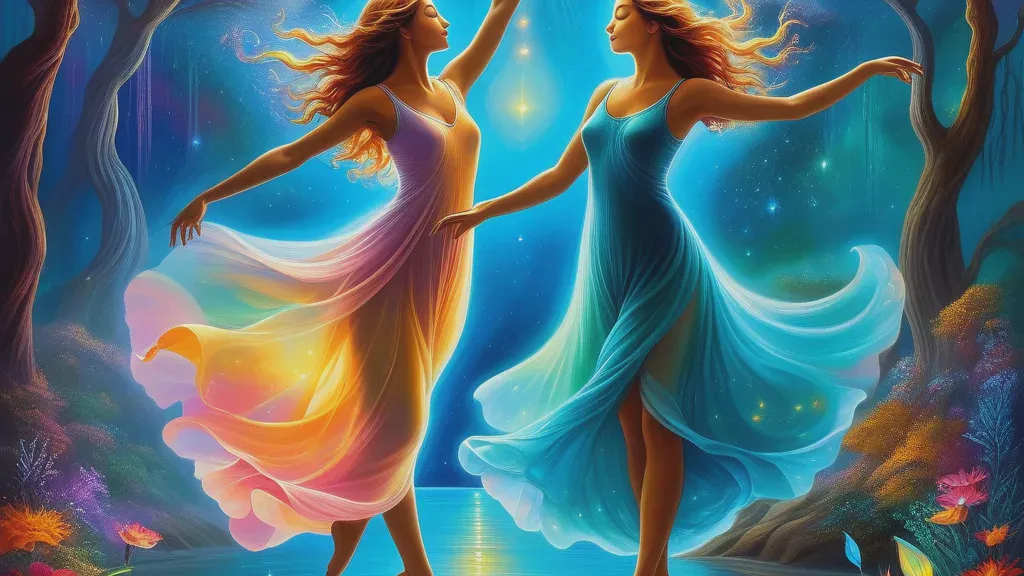
Dancing in dreams represents freedom, joy, harmony, and the integration of body and spirit. It symbolizes moving through life with grace, expressing your authentic self, and celebrating your existence with uninhibited joy.
Psychological Interpretation
The Self archetype emerges through dancing as the integration of all aspects of your personality into a unified whole. The Anima/Animus brings emotional and creative expression. Dancing suggests psychological wholeness, balance, and the ability to move fluidly through life's transitions.
Traditional Symbol Meaning
Dancing in dreams is a powerful symbol that resonates across various cultures and historical contexts, often embodying themes of joy, freedom, and expression. In many Western traditions, dancing is associated with celebration and social connection. Dreaming of dancing can signify a sense of liberation and a desire to express oneself creatively. Psychologically, it may reflect the dreamer's emotional state, indicating happiness or a need for social interaction. Historically, in ancient Greece, dance was considered a form of worship and a means to connect with the divine, suggesting that dreams involving dancing might also denote a spiritual awakening or a connection to one's higher self. In Eastern cultures, particularly in Hinduism and Buddhism, dance is often seen as a sacred act, representing the cosmic dance of creation and destruction. For instance, the dance of Lord Shiva, known as Nataraja, symbolizes the rhythm of the universe and the cyclical nature of life. Dreaming of dancing in these contexts may indicate harmony with the universe or a journey towards enlightenment. Indigenous cultures also hold dance in high esteem, often using it as a means of storytelling, healing, and community bonding. In these traditions, a dream of dancing might suggest a call to reconnect with one's roots or to honor ancestral spirits. Throughout history, dream interpretations involving dance have evolved but often retain core themes of transformation and emotional release. In the 19th century, the Romantics viewed dance in dreams as a manifestation of the soul's longing for freedom and beauty. In contrast, modern psychological interpretations may focus on the subconscious mind's expression, where dancing can symbolize the integration of various aspects of the self. Traditional wisdom suggests that dreaming of dancing can be an invitation to embrace change, celebrate life, and explore one's inner emotions more deeply. Cultural variations in the meaning of dancing in dreams can be significant. For example, in some African cultures, dancing is an essential part of rituals and communal gatherings, and dreaming of dancing may indicate a need for community support or a call to participate in cultural practices. Conversely, in more individualistic societies, dancing in dreams might reflect personal achievements or self-actualization. Regardless of cultural context, the common thread remains: dreams of dancing often encourage individuals to embrace joy, creativity, and the interconnectedness of life.
Contemporary Psychological
Dancing in dreams often serves as a powerful symbol reflecting the interplay between emotional processing and memory consolidation. From a contemporary psychological perspective, dancing can represent the brain's way of integrating and expressing complex emotions. When we dream of dancing, it may indicate a need to process feelings that have been left unaddressed or a desire to celebrate aspects of our lives that bring joy and fulfillment. This movement can signify the brain's efforts to weave together memories and emotions, facilitating a deeper understanding of oneself and one's experiences. Furthermore, dancing in dreams can evoke themes of connection, freedom, and self-expression. In the context of neuroscience, movement is closely linked to the activation of various brain regions associated with pleasure and reward, such as the limbic system. Therefore, dreaming about dancing may suggest that the dreamer is yearning for more freedom in their waking life or is exploring their identity in a more liberated way. It can also signify a release of pent-up emotions or the need to connect with others, reflecting a desire for social interaction or community. The psychological significance of dancing in dreams often points to the dreamer's current life situation and emotional state. If the dreamer experiences joy and fluidity while dancing, it may indicate a sense of harmony and balance in their life. Conversely, if the dance feels forced or chaotic, it might reveal underlying stress or anxiety that needs addressing. This contrast can serve as a valuable insight into the dreamer's inner world, highlighting areas where they may feel constrained or where they seek greater authenticity and expression. For practical psychological insights, individuals who find themselves dreaming of dancing can benefit from exploring their emotional landscape. Reflecting on what aspects of their life bring them joy or where they feel restricted can lead to personal growth. Engaging in physical activities or creative outlets in waking life can also enhance emotional processing and foster a sense of connection with oneself and others. Ultimately, dancing in dreams invites the dreamer to embrace their emotions, celebrate their individuality, and recognize the importance of movement—both physically and metaphorically—in navigating life's complexities.
Gestalt / Parts of Self
In the realm of Gestalt Psychology, the act of dancing in dreams serves as a rich symbol that embodies various aspects of the self. Dancing can be seen as a manifestation of integration, where different parts of the dreamer's personality come together in a harmonious expression. This dream element often reflects the dreamer's emotional state, creativity, and social interactions, suggesting a desire for connection and joy. When an individual dreams of dancing, it may indicate a need to embrace and express various facets of their identity, allowing for a fuller self-experience. The deeper psychological significance of dancing in dreams can also highlight themes of freedom, spontaneity, and playfulness. As a projection of the dreamer's inner world, dancing may reveal feelings of liberation or, conversely, a longing for it. If the dreamer feels constrained or inhibited in their waking life, dreaming of dancing could signify a yearning to break free from these limitations. This symbol can also point to the dreamer's relationship with others; it may suggest a desire for intimacy or a need to navigate social dynamics more fluidly. In this sense, dancing becomes a metaphor for the ebb and flow of relationships, reflecting the dreamer's feelings of connection or disconnection. Dreaming about dancing can indicate that the dreamer is in a phase of self-discovery or personal growth. It may suggest that they are beginning to integrate different parts of themselves, acknowledging their desires and emotions that were previously suppressed. This act of self-expression through dance can serve as a reminder to the dreamer to own their experiences and feelings, encouraging them to embrace their individuality. It often points to a readiness to confront and accept both the joyous and challenging aspects of life, indicating a journey toward greater self-acceptance. To derive practical psychological insights from this dream symbol, individuals can reflect on their current emotional state and how they express themselves in social situations. Journaling about their feelings toward dancing—whether they feel joy, anxiety, or freedom—can provide clarity on their inner conflicts or desires. Additionally, exploring what dancing represents in their waking life, such as creativity, connection, or self-expression, can help them identify areas where they may need to integrate different aspects of themselves. Ultimately, this exploration can lead to a more authentic and fulfilling existence, promoting a deeper understanding of the self and fostering personal growth.
Jungian / Archetypal
In Jungian and Analytical Psychology, dancing in dreams can be a powerful symbol that reflects the dreamer's connection to the collective unconscious and their personal journey towards individuation. Dancing often represents a harmonious integration of various aspects of the self, embodying the interplay of conscious and unconscious elements. This movement can signify the expression of one’s emotions, creativity, and the ability to connect with others. In this context, dancing may also serve as a manifestation of archetypes, particularly the Trickster or the Lover, which can highlight themes of spontaneity, joy, and the exploration of relationships. The deeper psychological significance of dancing in dreams often relates to the dreamer's relationship with their shadow—the parts of the self that are repressed or unacknowledged. When one dances in a dream, it may indicate a willingness to embrace these shadow aspects, suggesting a process of acceptance and integration. This can manifest as a release of pent-up emotions or a newfound freedom in expressing oneself. Conversely, if the dance feels chaotic or uncomfortable, it might reflect inner conflict or a struggle with self-acceptance, indicating areas in the dreamer's life where they may feel inhibited or constrained. Dreaming about dancing can also reveal insights into the dreamer's current life situation. For instance, a joyful and free dance may signify a period of personal growth, social connection, or creative exploration, suggesting that the dreamer is in tune with their authentic self. On the other hand, if the dance feels forced or awkward, it may indicate feelings of alienation or pressure in the dreamer's waking life, pointing to a need for self-reflection and realignment with their true desires and values. This duality highlights the dynamic nature of the dreamer's psyche and the ongoing journey of individuation. Practical psychological insights from this interpretation suggest that engaging with the symbolism of dancing can encourage dreamers to explore their emotions and relationships more deeply. Keeping a dream journal that captures the nuances of these dance experiences can aid in identifying patterns and themes in their waking life. Furthermore, incorporating physical movement or creative expression into daily routines may foster a greater sense of connection with oneself and others, ultimately promoting a more integrated and harmonious self. Embracing the dance of life, both in dreams and reality, can be a transformative experience that leads to greater self-awareness and fulfillment.
Psychodynamic / Freudian
Dancing in dreams often serves as a rich symbol that can be interpreted through the lens of psychodynamic psychology. From this perspective, the act of dancing may represent the manifest content of the dream, which is the surface-level action that appears in the dream narrative. However, the latent content—the underlying psychological meaning—can reveal a deeper exploration of the dreamer's desires, emotions, and unconscious conflicts. Dancing may symbolize a yearning for freedom, expression, and joy, suggesting that the dreamer is seeking to break free from constraints in their waking life. It can also indicate a celebration of life or an acknowledgment of personal achievements, reflecting a desire for connection and harmony with oneself and others. When analyzing the deeper psychological significance of dancing in dreams, it often highlights themes of self-expression and emotional release. The rhythm and movement associated with dancing can symbolize the dreamer's inner emotional state, suggesting a need for catharsis or an outlet for pent-up feelings. For instance, if the dreamer experiences joy while dancing, it may indicate a healthy integration of their emotions. Conversely, if the dancing feels forced or chaotic, it might point to internal conflicts or repressed feelings that need attention. This duality can reveal how the dreamer navigates their emotional landscape and the extent to which they allow themselves to express their true selves. Dreaming of dancing can also provide insights into the dreamer's current life situation. It may indicate a desire for social connection or a need to engage more fully with their environment. If the dreamer finds themselves dancing with others, it could symbolize a longing for companionship or a reflection of their social dynamics. Alternatively, dancing alone in a dream might suggest a journey of self-discovery or personal empowerment. In this sense, the dream serves as a mirror, reflecting the dreamer's inner world and highlighting areas where they may feel liberated or constrained in their waking life. To derive practical psychological insights from dreams of dancing, individuals can consider how this symbol resonates with their current emotional state and life circumstances. Reflecting on the feelings experienced during the dance can help the dreamer identify areas of their life that may require more attention or expression. Engaging in creative activities or finding ways to incorporate movement into their daily routine may serve as effective outlets for emotional release. Additionally, recognizing the balance between personal freedom and social connection can guide the dreamer towards a more fulfilling and expressive life, ultimately promoting psychological well-being.
Cultural & Historical Origins
In Hindu philosophy, Shiva's cosmic dance (Nataraja) represents creation and destruction. Sufi whirling dervishes use dance for spiritual transcendence. Many indigenous cultures use dance for healing, celebration, and communion with the divine.
Contextual Variations
Dancing freely and joyfully
Psychological integration; freedom of expression; celebration of life
Dancing stiffly or awkwardly
Inhibition; difficulty with self-expression; feeling out of sync with life
Frequently Asked Questions
Does dancing in dreams mean I should take dance classes?
What if I'm dancing with others?
Journaling Prompts
- What would it feel like to move through life with more freedom and joy?
- How can I integrate all parts of myself into a more harmonious whole?
Related Symbols
Dreamed about Dancing?
Get a personalized AI interpretation that connects this symbol to your specific life circumstances.
Interpret My Dream