Childhood Love
Jungian Archetypes
Meaning
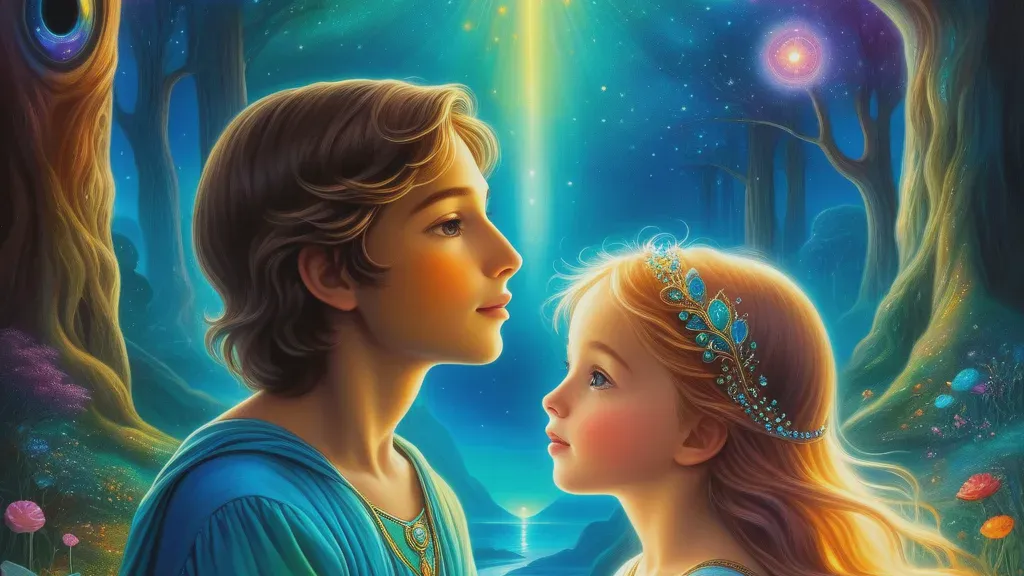
Dreaming of Childhood Love taps into deep-seated emotions and the innocence of first attachments. Such dreams often emerge during self-reflection or new romantic ventures, highlighting unresolved feelings.
Psychological Interpretation
From a Jungian perspective, this symbol engages the Anima and Child archetypes, indicating a longing for emotional safety. Cognitive psychology links it to idealized perceptions of love. Practically, it may facilitate healing by revisiting past emotions.
Cultural & Historical Origins
Cultural references include Shakespeare's 'Romeo and Juliet,' depicting young love's intensity. Additionally, the concept of 'Eros' in ancient Greek mythology symbolizes passionate love, often associated with youthful experiences.
Contextual Variations
You sit on a porch with your childhood love, and everything feels bright and uncomplicated. They say something simple—like “We’re okay”—and you realize you’ve been holding your breath in real life.
This dream often reflects longing for emotional simplicity and safety, where love didn’t require constant interpretation. Psychologically, it points to a need to soften your current vigilance and return to trust—either in yourself or in a present relationship.
In the dream, you try to confess your feelings to your childhood love, but the words keep turning into childish drawings on the ground. Your childhood love understands anyway and smiles, then the scene fades into silence.
The “drawings” suggest your feelings are real but hard to express in adult language—perhaps you fear being misunderstood or rejected. The understanding implies a part of you wants permission to communicate with honesty rather than perfection.
Your childhood love is dating someone else in the dream, but you aren’t angry—you feel strangely peaceful. Later, you find a small keepsake (a ribbon or charm) and place it in a box labeled “later.”
Peace alongside loss can indicate you’re processing attachment without needing to reclaim the past. The keepsake in a “later” box suggests you’re learning to honor longing while choosing to invest in the present.
Frequently Asked Questions
Is my childhood love in the dream a sign I want that person back?
What does it mean if the dream feels “too perfect” or unreal?
Why do I wake up with strong longing after dreaming of childhood love?
Journaling Prompts
- What exact detail in the dream felt most loving to you—tone of voice, a gesture, a setting—and what does that detail represent in your life now?
- Where do you feel the longing after waking: chest, throat, stomach—and what might that body sensation be asking for?
- If your childhood love symbolizes an emotional need, what would fulfilling that need look like in a realistic, present-day way?
Related Symbols
Dreamed about Childhood Love?
Get a personalized AI interpretation that connects this symbol to your specific life circumstances.
Interpret My Dream