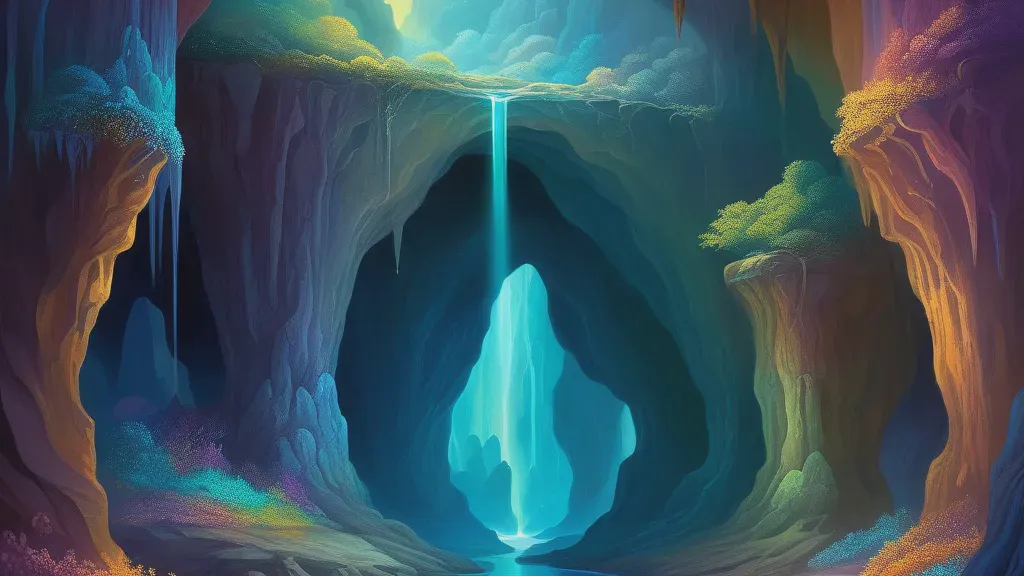
Cave
Jungian Archetypes
Meaning
Caves represent the unconscious mind and hidden aspects of the self. They symbolize mystery, introspection, and the journey inward to discover deeper truths. Caves can also represent safety, refuge, or the womb-like return to origins.
Psychological Interpretation
In Jungian psychology, caves embody the Shadow archetype—the repository of repressed desires and unknown aspects of personality. Descending into a cave represents the hero's journey into the unconscious to integrate shadow material. The cave may also symbolize the Great Mother archetype, representing both nurturing protection and the primal feminine.
Traditional Symbol Meaning
The symbol of a cave in dreams has held significant meaning across various cultures and historical contexts. Traditionally, caves are often seen as places of refuge, introspection, and transformation. In Western traditions, particularly influenced by the works of Carl Jung, caves symbolize the unconscious mind and the depths of the self. Jung suggested that entering a cave in a dream could represent a journey into one's inner psyche, confronting hidden fears or uncovering repressed emotions. This interpretation aligns with the idea of caves as sacred spaces, where one might seek solitude or enlightenment, reminiscent of the cave allegory presented by Plato, where shadows represent perceptions of reality. In Eastern cultures, caves have been associated with spiritual practices and enlightenment. For instance, in Buddhist traditions, caves serve as meditation retreats, providing a tranquil environment for practitioners to connect with their inner selves and attain higher states of consciousness. Dreaming of a cave in this context may indicate a need for spiritual growth or a call to seek inner peace. Indigenous cultures, too, often view caves as sacred sites connected to creation myths and ancestral spirits. For many Native American tribes, caves are places where one can connect with the spirit world, and dreaming of a cave may suggest a need to honor one's roots or seek guidance from ancestors. Historically, the interpretation of caves in dreams has also been linked to themes of birth and rebirth. The womb-like nature of a cave symbolizes a safe space for new beginnings, and many cultures have recognized this aspect. In ancient mythology, caves were often depicted as the birthplaces of gods or heroes, reinforcing the idea that caves represent potential and transformation. Traditional wisdom suggests that dreaming of a cave may indicate a period of introspection necessary for personal growth, urging the dreamer to explore their inner landscape and confront unresolved issues. Cultural variations in the meaning of caves can provide deeper insights into individual dream experiences. For instance, in some African cultures, caves are seen as portals to the spirit world, and dreaming of one may signal a call to connect with spiritual ancestors or seek guidance from spiritual leaders. Meanwhile, in some Mediterranean cultures, caves may represent hidden treasures or secrets waiting to be uncovered. Ultimately, the symbolism of caves in dreams is multifaceted, inviting dreamers to explore their inner depths, seek enlightenment, and embrace transformation while navigating the complexities of their psyche and cultural heritage.
Contemporary Psychological
Dreaming of a cave often symbolizes a journey into the subconscious mind, representing a space for introspection and emotional processing. From a contemporary psychological perspective, particularly within the realms of neuroscience and emotional processing, caves can be seen as metaphorical representations of our inner thoughts and feelings that are often hidden from our conscious awareness. This dream symbol may indicate that the dreamer is exploring deeper aspects of their psyche, facing unresolved emotions or memories that need to be integrated into their waking life. In this sense, caves serve as a sanctuary for self-discovery and reflection, where the dreamer can confront fears, past traumas, or unacknowledged desires. The psychological significance of caves in dreams can also be linked to memory consolidation, a critical function of the brain during sleep. When we dream about caves, it may reflect the brain's efforts to organize and make sense of past experiences. This process can involve revisiting significant life events that have left a mark on our emotional landscape. Caves, as dark and enclosed spaces, may symbolize the feelings of confinement or isolation that can accompany these memories. However, they can also represent the potential for growth and transformation, suggesting that by confronting these inner struggles, the dreamer can emerge with greater self-awareness and emotional resilience. Furthermore, dreaming of a cave might indicate that the dreamer is currently navigating a challenging life situation that requires them to delve deeper into their emotions or confront hidden aspects of themselves. This dream could serve as a reminder to embrace vulnerability and the necessity of facing one's fears. It might suggest that the dreamer is in a phase of their life where introspection is vital for personal growth, encouraging them to explore their inner world rather than avoiding difficult emotions. The cave, therefore, becomes a powerful symbol of the journey toward self-acceptance and healing. For practical psychological insights, individuals who dream of caves may benefit from engaging in reflective practices such as journaling or therapy. These activities can facilitate the exploration of underlying emotions and thoughts that the dream may have brought to the surface. Additionally, recognizing the importance of creating safe spaces for emotional processing can empower the dreamer to confront their challenges. By acknowledging the significance of the cave in their dreams, individuals can gain clarity about their current life circumstances, leading to a deeper understanding of themselves and their emotional needs.
Gestalt / Parts of Self
In Gestalt Psychology, dreams are seen as a reflection of the self, where each element within the dream represents different aspects of the dreamer’s psyche. The symbol of a cave in dreams often signifies a deep exploration of the self, representing hidden parts of the personality that may be repressed or unacknowledged. Caves are typically dark, enclosed spaces, which can symbolize the unconscious mind or areas of the self that are not fully integrated into conscious awareness. Dreaming of a cave may indicate that the dreamer is being called to explore their inner depths, confront fears, or acknowledge aspects of their identity that have been overlooked or avoided. The psychological significance of a cave in dreams often revolves around themes of introspection and self-discovery. It may suggest that the dreamer is in a phase of life where they need to withdraw from the external world to engage in self-reflection. This withdrawal can be a necessary part of personal growth, as it allows individuals to process emotions, thoughts, and experiences that have shaped them. The cave can also represent a sanctuary or a place of safety where one can confront inner turmoil without the distractions of the outside world. This duality highlights the importance of creating space for oneself to integrate various parts of the self, including those that may be difficult to face. When a dreamer encounters a cave, it may indicate that they are grappling with feelings of isolation or a desire for solitude. This could be a reflection of their current life situation, where they feel overwhelmed by external pressures or relationships. The cave serves as a metaphorical space where they can reclaim ownership of their thoughts and emotions, allowing for a more profound understanding of their inner world. Additionally, this dream symbol may point to the need for healing, suggesting that the dreamer should delve into past experiences or traumas that require attention and resolution. Practical insights from dreaming about a cave encourage individuals to embrace their journey of self-exploration. It may be beneficial for the dreamer to engage in practices such as journaling, meditation, or therapy, which can facilitate the integration of these hidden aspects of the self. By acknowledging and owning the parts of themselves that reside in the metaphorical cave, individuals can foster a more cohesive sense of identity and well-being. Ultimately, the cave serves as a powerful reminder that the path to self-discovery often involves venturing into the depths of one's psyche, where true growth and transformation can occur.
Jungian / Archetypal
In Jungian and Analytical Psychology, the cave is a potent symbol that often represents the unconscious mind, a space where repressed thoughts, emotions, and desires reside. This subterranean realm can be seen as a metaphor for the depths of the psyche, where the shadow—comprising the darker, unacknowledged aspects of the self—lurks. Dreaming of a cave may suggest that the dreamer is being called to explore their inner world, confront hidden fears, or acknowledge parts of themselves that they have long ignored. The cave serves as a reminder that true growth and individuation require delving into these shadowy areas to integrate them into the conscious self. The psychological significance of the cave extends beyond mere acknowledgment of the shadow. It often embodies themes of transformation and rebirth. In many cultures, caves are seen as sacred spaces where one undergoes profound change. For the dreamer, entering a cave might symbolize embarking on a journey of self-discovery, where they can confront their innermost thoughts and feelings. This journey may involve facing uncomfortable truths or unresolved issues, but it is essential for achieving a more holistic sense of self. The cave can also represent a sanctuary or a place of refuge, indicating a need for introspection and solitude amid life's chaos. When a dreamer encounters a cave in their dreams, it may reflect their current life situation or emotional state. For instance, if the dreamer is experiencing feelings of isolation or uncertainty, the cave might symbolize a retreat from the external world, urging them to turn inward for answers. Conversely, if the dreamer feels drawn to explore the cave, it may signal readiness to confront and integrate aspects of themselves that they have previously shunned. This engagement with the unconscious can lead to greater self-awareness and personal growth, as it encourages the dreamer to embrace their full identity, including both light and shadow. To derive practical psychological insights from this interpretation, dreamers can consider journaling about their feelings and experiences related to the cave symbol. Reflecting on what the cave represents for them personally can help illuminate areas of their life that may require attention or healing. Additionally, engaging in creative expression—such as art or writing—can facilitate the exploration of these deeper aspects of the self. Ultimately, the cave invites dreamers to embark on a transformative journey toward individuation, encouraging them to embrace their complexity and integrate all facets of their being.
Psychodynamic / Freudian
In psychodynamic psychology, the symbol of a cave in dreams often represents a complex interplay between the manifest and latent content of the dream. The manifest content is the surface-level narrative of the dream, which may include the act of entering a cave, exploring its depths, or encountering various elements within it. However, the latent content—the underlying meaning—can reveal deeper psychological truths about the dreamer's inner world. Caves are frequently associated with themes of introspection, hidden emotions, and the subconscious mind. They can symbolize a retreat from the external world, suggesting a need for solitude or a desire to confront repressed feelings. The cave can also be viewed through the lens of wish fulfillment, a key concept in psychodynamic theory. Dreaming of a cave may indicate a longing for safety and security, as caves offer a sense of shelter from the chaos of life. This desire may stem from current stressors or emotional turmoil, prompting the dreamer to seek refuge within themselves. Additionally, the cave can represent the exploration of one's own psyche, where the dreamer may be encouraged to confront fears, desires, or unresolved conflicts. Such exploration can be a powerful catalyst for personal growth and self-discovery, allowing the dreamer to integrate aspects of their personality that may have been previously hidden or denied. Common themes associated with dreaming of caves include transformation and rebirth, as caves are often seen as places where one can emerge renewed after a period of introspection. This aligns with the psychodynamic understanding of defense mechanisms, where the cave may symbolize the dreamer's attempt to retreat from external pressures or emotional challenges. By entering the cave, the dreamer may be employing a defense mechanism such as avoidance or repression, indicating a struggle with confronting certain aspects of their life. Alternatively, the cave can serve as a space for reflection and healing, suggesting that the dreamer is ready to face their inner conflicts and emerge stronger. For those who find themselves dreaming of caves, it can be beneficial to reflect on their current life situation and emotional state. Are there unresolved issues or feelings that need to be addressed? The cave may be inviting the dreamer to explore these depths, encouraging them to engage with their subconscious and bring awareness to parts of themselves that require attention. Practically, keeping a dream journal can help the dreamer track recurring themes or symbols, facilitating a deeper understanding of their inner world and fostering personal growth. Embracing the insights gained from such dreams can lead to a more profound sense of self-awareness and emotional resilience.
Cultural & Historical Origins
Caves hold profound significance across cultures: Plato's Allegory of the Cave depicts the journey from illusion to enlightenment, while Hindu and Buddhist traditions use caves as meditation spaces for spiritual awakening. In Celtic mythology, caves are portals to the Otherworld, and Aboriginal Australian cultures view caves as sacred sites of ancestral knowledge and Dreamtime creation.
Contextual Variations
Exploring a dark cave
Confronting the unknown aspects of yourself and facing fears or repressed emotions
Finding light in a cave
Discovering hidden wisdom, enlightenment, or emerging from a difficult period with new understanding
Frequently Asked Questions
Why do caves appear in dreams?
Is dreaming of caves always negative?
Journaling Prompts
- What hidden aspects of yourself are you afraid to explore?
- What wisdom or truth might be waiting for you in the depths of your unconscious?
Related Symbols
Dreamed about Cave?
Get a personalized AI interpretation that connects this symbol to your specific life circumstances.
Interpret My Dream