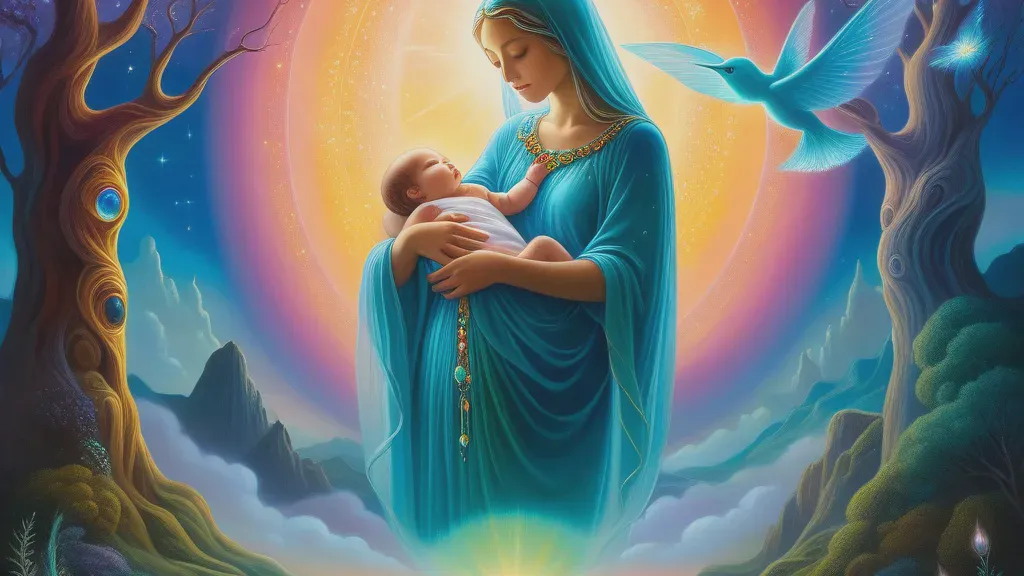
Birth Of Child
Jungian Archetypes
Meaning
Dreaming of a child's birth symbolizes psychological transformation and the emergence of new aspects of the self. It often reflects the desire for growth, creativity, or the integration of new ideas or experiences.
Psychological Interpretation
From a Jungian perspective, this symbol can indicate the birth of the Self or a new phase in personal development. Cognitive psychology suggests it reflects aspirations and potential. Practically, it may signal readiness for change or embracing new roles.
Traditional Symbol Meaning
The dream symbol of the "Birth of a Child" has rich and varied interpretations across cultures and historical contexts. Traditionally, this symbol is often associated with new beginnings, creativity, and the manifestation of ideas or projects. In many Western cultures, dreaming of childbirth can signify personal growth or the emergence of new aspects of oneself. It is seen as a positive omen, suggesting that the dreamer is ready to embrace change or that they are on the verge of a significant transformation in their life. In Eastern traditions, particularly within Hinduism and Buddhism, the birth of a child in dreams can symbolize spiritual rebirth or enlightenment. It may indicate the birth of new thoughts, philosophies, or spiritual insights. For instance, in Hindu culture, dreams of childbirth are sometimes interpreted as a sign of auspiciousness, heralding prosperity or the arrival of good fortune. Indigenous traditions also share similar sentiments, where the birth of a child in a dream may reflect a connection to ancestral wisdom or the continuation of cultural legacies. In these contexts, the dream can serve as a reminder of the importance of community, family, and the cycles of life. Historically, the interpretation of childbirth in dreams has evolved, integrating various cultural beliefs and practices. In ancient societies, such as those in Mesopotamia and Egypt, dreams were often seen as messages from the divine, and childbirth could signify divine favor or intervention. In medieval Europe, dreams were frequently analyzed by scholars and clergy, who often linked them to moral or ethical implications. The act of giving birth in a dream could be viewed as a call to action or a moral awakening, prompting the dreamer to reflect on their responsibilities and choices. Traditional wisdom suggests that dreaming of the birth of a child should not always be taken literally. Instead, it is often a metaphor for the birth of ideas, projects, or relationships. It encourages the dreamer to consider what new developments or changes are occurring in their waking life. While the core meaning remains similar across cultures—symbolizing new beginnings—the specific interpretations can vary. For example, in some cultures, dreaming of a child may also evoke concerns about nurturing or the responsibilities that come with new ventures, while in others, it may purely celebrate the joy of creation and potential. Understanding these nuances can enrich one's dream journaling practice, providing deeper insights into personal experiences and aspirations.
Contemporary Psychological
Dreaming about the birth of a child often symbolizes new beginnings and the emergence of personal growth or creative potential. From a contemporary psychology perspective, particularly through the lenses of neuroscience and emotional processing, such dreams can signify the brain's efforts to consolidate memories and process emotions. The experience of giving birth in a dream may reflect the dreamer's subconscious mind grappling with major life changes, aspirations, or the desire to nurture new ideas or projects. This symbol is not limited to physical childbirth; it can also represent the birth of new perspectives, relationships, or phases in life. The deeper psychological significance of dreaming about childbirth often ties into themes of transformation and responsibility. This symbol can evoke feelings of vulnerability, excitement, and anxiety, mirroring the emotional complexities associated with real-life childbirth and parenting. Neuroscientifically, dreams serve as a mechanism for emotional regulation, allowing individuals to process their fears and hopes. Therefore, dreaming about giving birth may indicate that the dreamer is navigating a transformative period, where they are reconciling their fears of inadequacy or loss of control with their desire for growth and creation. When a dreamer experiences the birth of a child in their dreams, it can reveal insights into their inner world and current life situation. It may suggest that they are on the brink of a significant change, whether it’s a new job, relationship, or personal realization. This dream can also highlight feelings of anticipation or anxiety related to these changes, showcasing the dreamer's readiness to embrace new responsibilities or the fear of the unknown. In this context, the dream serves as a reflection of the dreamer's emotional state, signaling that they are processing their thoughts and feelings about their evolving identity and life circumstances. To gain practical psychological insights from dreaming about the birth of a child, individuals can reflect on what new beginnings they are currently facing or desire in their lives. Journaling about the emotions felt during the dream can help in identifying underlying fears or aspirations. Engaging in mindfulness practices may also facilitate emotional processing, allowing the dreamer to embrace the changes represented by this dream symbol. Ultimately, such dreams encourage self-exploration and highlight the importance of nurturing one's potential and creativity, reminding the dreamer that transformation is a natural and vital part of life’s journey.
Gestalt / Parts of Self
In the realm of Gestalt Psychology, the dream symbol of "Birth of a Child" can be understood as a profound representation of new beginnings, creativity, and the emergence of previously unacknowledged aspects of the self. This symbol often reflects the dreamer's desire to integrate different parts of their personality or to give life to new ideas and projects. When a dreamer experiences the birth of a child in their dreams, it may signify the arrival of a new phase in their life, an opportunity for personal growth, or the manifestation of latent potential that is now ready to be acknowledged and nurtured. From a psychological perspective, the act of giving birth in a dream can be viewed as a projection of the dreamer’s inner world. The child may symbolize qualities or traits that the dreamer wishes to develop or embrace. For instance, if the child embodies innocence and curiosity, the dream may be urging the dreamer to reconnect with those qualities in their waking life. This projection allows the dreamer to explore their feelings about responsibility, nurturing, and the challenges of bringing something new into existence. The dream can serve as a mirror reflecting the dreamer's current emotional state, highlighting their readiness to confront changes or embrace new opportunities. The birth of a child in dreams can also indicate a significant transformation or transition in the dreamer's life. It may suggest that the dreamer is undergoing a process of self-discovery, where they are learning to own and integrate different facets of their identity. This integration can lead to a more cohesive sense of self, as the dreamer acknowledges and accepts the various parts of their personality that contribute to their overall being. The dream may be an invitation to explore these aspects further, fostering a sense of wholeness and balance in their life. To derive practical insights from this dream symbol, readers can reflect on what new beginnings they might be experiencing or desiring in their waking life. They should consider what the child represents to them personally and how they can nurture the qualities or projects that resonate with their current situation. Engaging in creative activities, setting new goals, or even seeking out supportive relationships can be ways to honor this dream's message. Ultimately, the birth of a child in dreams serves as a powerful reminder of the potential for growth and the importance of embracing change as a vital part of the human experience.
Jungian / Archetypal
In Jungian and analytical psychology, the symbol of the "birth of a child" in dreams is rich with meaning, often representing new beginnings, creativity, and the emergence of aspects of the self that have been previously unacknowledged. This symbol can be seen as an archetype, reflecting the universal themes of creation and potential that reside within the collective unconscious. The birth of a child signifies the manifestation of new ideas, projects, or phases in life, suggesting that the dreamer is on the cusp of a significant transformation or personal growth. It may also indicate the birth of a new aspect of the self, aligning with Jung's concept of individuation, where the individual integrates various elements of their psyche to achieve wholeness. The deeper psychological significance of this dream symbol can also touch on themes of nurturing and responsibility. The child often represents not just creativity but also vulnerability and the need for care. Dreaming of a child's birth may prompt the dreamer to reflect on their own nurturing abilities, both towards themselves and others. It can signify a call to embrace new responsibilities or to cultivate aspects of life that require attention and care. Additionally, this symbol may evoke feelings related to the dreamer's own childhood or their relationship with their parents, highlighting how these dynamics influence their current psyche. When a dreamer experiences the birth of a child in their dreams, it can indicate a pivotal moment in their inner world. This dream may suggest that the individual is ready to explore uncharted territories of their personality or is beginning to recognize repressed desires and emotions, often associated with the shadow aspect of the self. The shadow represents those parts of the psyche that are hidden or denied, and the birth of a child may symbolize the integration of these aspects, leading to a more authentic and complete self. In this sense, the dream serves as a powerful reminder that embracing all facets of oneself, including the shadow, is essential for personal growth and fulfillment. For practical psychological insights, individuals who dream of the birth of a child can reflect on what new beginnings or creative projects are emerging in their waking life. It may be beneficial to journal about feelings associated with the dream, exploring any fears or excitements tied to these new beginnings. Additionally, considering the nurturing aspects of the dream can lead to greater self-compassion and awareness of how one can support their own growth. Ultimately, this dream symbol encourages individuals to embrace their evolving selves and the potential that lies in every new phase of life.
Psychodynamic / Freudian
In psychodynamic psychology, the symbol of the "birth of a child" in dreams often represents a profound transformation or the emergence of new ideas and aspects of the self. This symbol can be understood through the lens of manifest and latent content. The manifest content is the straightforward narrative of the dream, which may involve the actual act of giving birth or witnessing a child being born. However, the latent content—the underlying meaning—often points to significant changes in the dreamer's life, such as personal growth, the development of new projects, or the realization of untapped potential. The birth of a child can symbolize the dreamer's desire to create, nurture, and bring forth something meaningful into their life. Delving deeper, the birth of a child in dreams can be associated with wish fulfillment, a key concept in psychodynamic theory. The dream may reflect the dreamer's unconscious desires to start anew, embrace creativity, or even heal from past traumas. This symbol can also indicate a longing for connection, nurturing, or the desire to experience love and joy. The child may represent an idealized version of oneself or aspirations that the dreamer wishes to manifest in reality. This aspect of the dream can reveal the dreamer's hopes and fears about their current life situation, suggesting a yearning for new beginnings or the anxiety that accompanies significant life changes. Moreover, the dream of giving birth can bring to light various defense mechanisms at play within the dreamer's psyche. For instance, if the dreamer feels anxiety or fear during the dream, it may indicate that they are grappling with feelings of inadequacy or fear of the unknown regarding their new endeavors. Alternatively, if the dream evokes joy and excitement, it may suggest that the dreamer is ready to embrace change and is confident in their ability to nurture new aspects of their identity. Understanding these dynamics can help the dreamer recognize their inner conflicts and motivations, leading to greater self-awareness. In practical terms, dreaming about the birth of a child encourages individuals to reflect on what new projects, relationships, or aspects of themselves are coming to fruition. It serves as a reminder to embrace change and explore the potential for growth in their lives. By acknowledging both the fears and hopes associated with this symbol, dreamers can better navigate their emotional landscape and harness the energy of new beginnings, ultimately fostering a more fulfilling and authentic existence.
Cultural & Historical Origins
In Christianity, the birth of Christ represents hope and renewal. In Hinduism, the myth of Ganesha's creation embodies creativity and new beginnings, while ancient Egyptian myths depict the rejuvenation associated with childbirth in their creation stories.
Contextual Variations
A child is born in a place that feels unfamiliar to you, and you’re surprised by how quickly you become protective and competent.
This often symbolizes new beginnings that arrive outside your comfort zone—fresh identity, project, or life direction. Rapid competence suggests latent capacity: your psyche is forming a new role and learning to trust it.
You watch the birth but feel overwhelmed and ask someone else to help, then realize you can’t fully hand it off.
Overwhelm reflects responsibility anxiety—fear of being responsible for something that depends on you. The inability to hand it off suggests the dream is pushing you to own your part in creating and sustaining change.
The child is born, but instead of crying it laughs, and the room fills with warmth as if relief has entered your life.
Laughter at birth can symbolize emotional release and the end of stagnation. It suggests your psyche anticipates that the new chapter will bring relief, not just duty—an invitation to embrace hope.
Frequently Asked Questions
If I’m not trying to have a child, why did I dream about the birth of a child?
What does it mean if the birth in the dream is painful or frightening?
Does the child’s behavior (crying, laughing, silent) matter?
Journaling Prompts
- What “new thing” is trying to be born in you right now—an idea, relationship, boundary, or version of yourself?
- What did you feel during the birth (awe, fear, overwhelm, relief), and what does that reveal about your relationship with responsibility and change?
- What care practices would help this “new child” thrive—time, support, structure, or honest communication?
Related Symbols
Dreamed about Birth Of Child?
Get a personalized AI interpretation that connects this symbol to your specific life circumstances.
Interpret My Dream