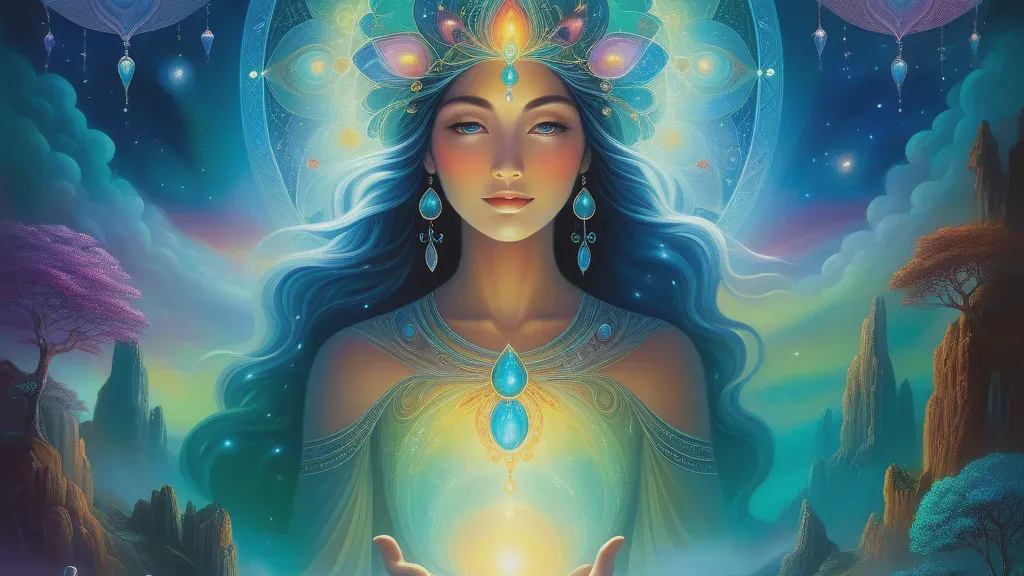
Ancestral Memory
Jungian Archetypes
Meaning
Dreams of ancestral memory may reflect a psychological drive to connect with one's roots and identity. This can arise from unresolved familial issues or a quest for belonging, tapping into collective unconscious themes that influence behavior and self-concept.
Psychological Interpretation
Jungian analysis sees ancestral memory as a connection to the collective unconscious, revealing archetypal patterns. Cognitive psychology views these dreams as a way to process family narratives, while practical psychology emphasizes integration of past lessons into present life.
Cultural & Historical Origins
In Indigenous cultures like the Navajo, ancestral memory is vital for spiritual identity, often linked to stories passed through generations. In ancient Greece, the concept of 'Ancestral Spirits' is echoed in the 'Elysian Fields' where ancestors guide the living.
Contextual Variations
You’re in your childhood home and suddenly hear multiple voices speaking through old family photographs, as if the images are “remembering” for you. You can understand the messages even though you’ve never learned that language before.
Your mind is integrating inherited emotional patterns—how your family handled fear, love, or shame—into your present awareness. The clarity of the voices suggests you’re ready to translate old material into choices you can actually live.
At night you find a hidden drawer filled with letters written in your relatives’ handwriting. When you read them, you feel the same bodily sensations your relative described, like grief or relief, and then the feelings fade into calm.
The dream points to unresolved family emotions becoming conscious so they can be metabolized rather than repeated. The shift from intense sensation to calm often marks psychological integration and emotional discharge.
You dream that you’re standing in a line of ancestors who gesture at different parts of your body—your throat, chest, hands—while you try to speak but only certain words come out. Later you wake with a strong sense of what you “should” say differently in waking life.
This can symbolize inherited communication rules (what was allowed or forbidden) being renegotiated internally. The body focus suggests the patterns have been stored somatically, and the dream is inviting new expression.
Frequently Asked Questions
Why did I dream of messages from people I never met?
Does ancestral memory mean I’m haunted by the past?
What should I do after dreaming this symbol?
Journaling Prompts
- Where in my life am I acting out a “family script,” and what emotion from the dream feels most accurate to that moment?
- Which part of the dream felt like wisdom versus pressure—and what does each one ask of me in waking life?
- What inherited belief do I keep repeating, and what evidence from my current experience contradicts it?
Related Symbols
Dreamed about Ancestral Memory?
Get a personalized AI interpretation that connects this symbol to your specific life circumstances.
Interpret My Dream